
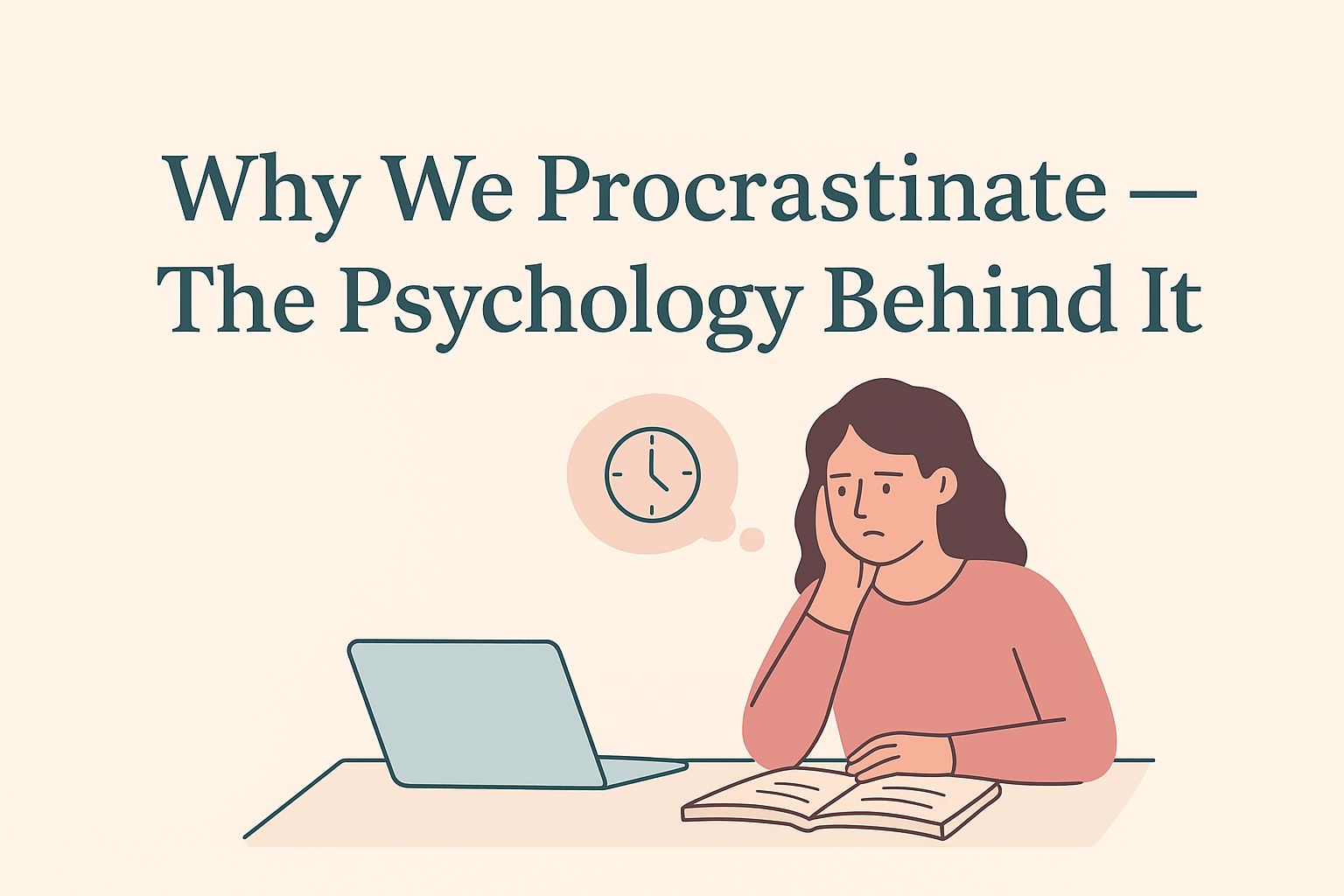
Last week I tried to study for 30 mins and ended up doom-scrolling for an hour. That’s when I realised maybe my brain is ‘rotting’.
Have you ever sat down to study (or just scroll through your phone) and realised that after a while you feel foggy, distracted, your attention keeps flicking, and you just can’t get into the zone like you used to? I’m Rasmeen Kaur, a BA student with an interest in psychology, and in this blog I want to explore a phenomenon that’s been getting more attention lately: “brain rot”. Not a medical diagnosis per se, but a concept that captures how our minds may be getting affected by our digital habits, especially in student-life.
What is “brain rot”?
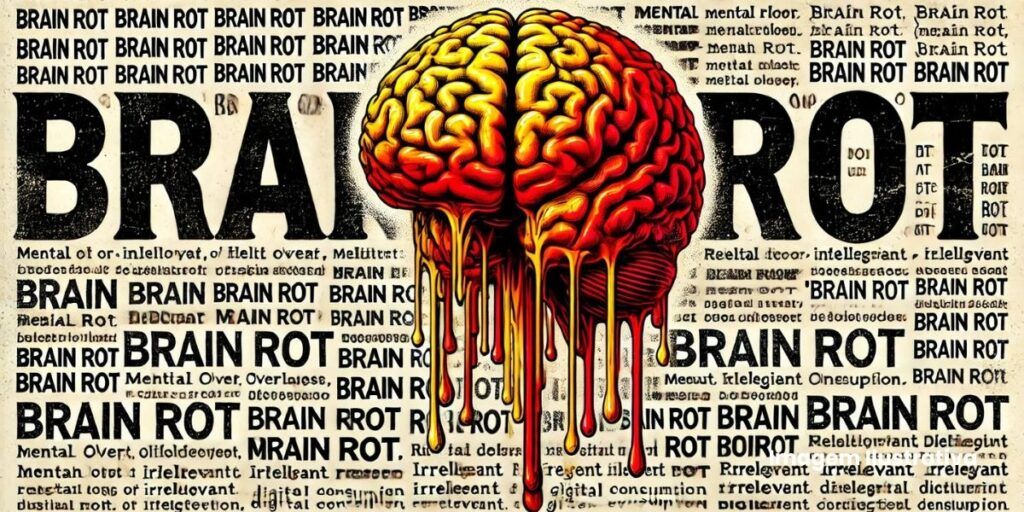
The term brain rot (also spelled brain-rot or brainrot) refers to what happens when someone’s mental or intellectual state seems to deteriorate — especially as a result of overconsuming trivial or shallow materials (many of which are online).
For example: lots of rapid flicking between apps, endless short-video loops, doom-scrolling through negative news – all of these can contribute to that feeling of “my brain’s just not working like it used to”.
Importantly: it’s not (currently) an official clinical condition. But it is recognised by mental-health writers and digital-health experts as a useful way to talk about what many of us experience.


Why it matters (especially for students)
- Reduced attention span: When our brain is used to fast, bite-sized, high-stimulus content, it becomes harder to focus on longer, deeper tasks — like reading a textbook, writing an essay, or revising for exams.
- Mental fatigue / fogginess: After hours of passive consumption, you might feel drained rather than refreshed. That can affect studying, memory, decision-making.
- Link to poor habits: For students juggling deadlines, distractions, screen time, eventually the “rot” sets in: procrastination, boredom, inability to engage meaningfully. Since you’ve meanwhile mentioned you struggle with attention span <15 minutes, this is especially relevant.
- Psychological health: Emotional balance, self-efficacy, motivation — all these can be undermined when you feel you’re “just scrolling” rather than doing something meaningful. That matches your interest in psychology.
What causes it — a psychological-view
Here are some of the mechanisms (and why from a future clinical-psychologist perspective they matter):
•Hyper-stimulation & dopamine loops: Many apps/videos are designed to deliver quick reward (likes, shares, laughs). The brain adapts to that pace and then struggles with slower, more effortful tasks.
•Cognitive overload: Constant switching between content, multitasking online, notifications — these fragment attention, making deeper work harder.
•Reduced novelty/challenge: When content becomes trivial/un-challenging, our intellectual faculties don’t get exercised. That’s analogous to not exercising a muscle.
•Negative emotional spill-over: Doomscrolling or constant exposure to negative/ sensational content can raise anxiety, reduce motivation.
Signs to watch for (and maybe you recognise some in yourself)
- You find it hard to concentrate on reading or studying for more than a few minutes.
- You feel “zoned out” after screen usage, and unable to engage in deeper tasks.
- You procrastinate and your usual motivation is gone — you’d rather scroll than revise (which you mentioned is sometimes a challenge).
- Your memory for recent study details feels weaker, or you feel more forgetful.
- You feel fatigued mentally — like your brain is “heavy” rather than active.
What you can do (practical steps)
Since you’re a student, you can apply these directly. From a psychology-perspective they’re interventions for cognitive and emotional health.
- Curate your digital diet: Be intentional about what you consume. Choose content that is meaningful, educational, or stimulating rather than auto-scrolling.
- Set screen-time boundaries: Use built-in tools on your phone, designate “no-scroll” times (e.g., 30 minutes before bed, or first hour after waking up).
- Promote offline engagement: Reading novels (you like that!), walking, talking with friends, journaling — all build mental stamina, focus, depth.
- Micro-study sessions + breaks: Since you have an attention span of <15 mins, structure your revision: e.g., 15-minute focused block, then 5-minute break, away from screen. This also counters brain-rot style fatigue.
- Mind-body connection: Sleep, nutrition, exercise affect cognitive health. When you’re fatigued or not moving much, the “rot” effect is stronger.
- Reflection & meta-awareness: Be aware when you feel “rotten brain” coming on — recognise it’s not just laziness, but possibly digital-overload. Then hit reset.
- Engage in deeper tasks: Choose reading that takes time, write something reflective (you might blog about your psychology interests), challenge yourself cognitively.
- Vary your modalities: For your upcoming study break goals (healthier, English-speaking, sewing, etc) alternate between digital input and hands-on/real-life tasks. Helps build focus beyond the screen.
Why this is relevant for future clinical psychologists

As you plan to become a clinical psychologist, understanding phenomena like “brain rot” arms you with insight into how digital culture affects cognitive & emotional health. In therapy or consultation you may see clients (especially youth) whose symptoms include poor focus, low motivation, anxiety — and part of the picture may be digital-overload. Being able to speak to the interplay of screen-time, attention, cognition and mental-health will strengthen your expertise and authority.
Conclusion
“Brain rot” may sound like slang, but it captures a real tell-tale of our times: when our minds feel fuzzy, our attention unstable, our motivation low. For a student like you, being aware of it means you can fight it — reclaim focus, engage deeply in study, build the habits that will support your journey into psychology and beyond. The first step is noticing the rot, the next is refusing to let it settle.
For the next 24 hours, track your screen time, then report back in comments.