
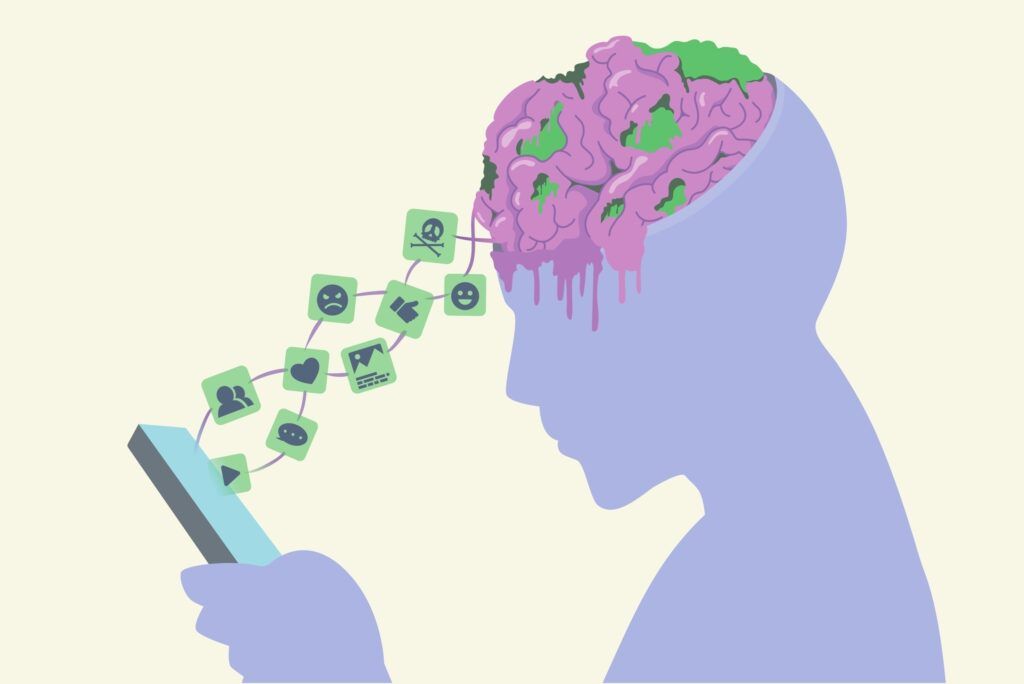
Discover the psychology behind procrastination and its effects on our minds. Written by Rasmeen Kaur, a BA Psychology student & aspiring Clinical Psychologist, this blog explores causes, impact, and tips to overcome procrastination.
🩵 Introduction
Have you ever sat down to study, promised yourself “just five more minutes,” and ended up scrolling on your phone for an hour?
I’ve been there too. As a BA Psychology student aspiring to become a Clinical Psychologist, I’ve realised procrastination isn’t just laziness — it’s deeply psychological. It’s about emotion, motivation, and how our brains react to discomfort.
In this post, let’s explore why we procrastinate, its effects on mental health, and what we can do to break free from it. Let’s take step in order not to indulge in procastination.
🌿 Why Do We Procrastinate?
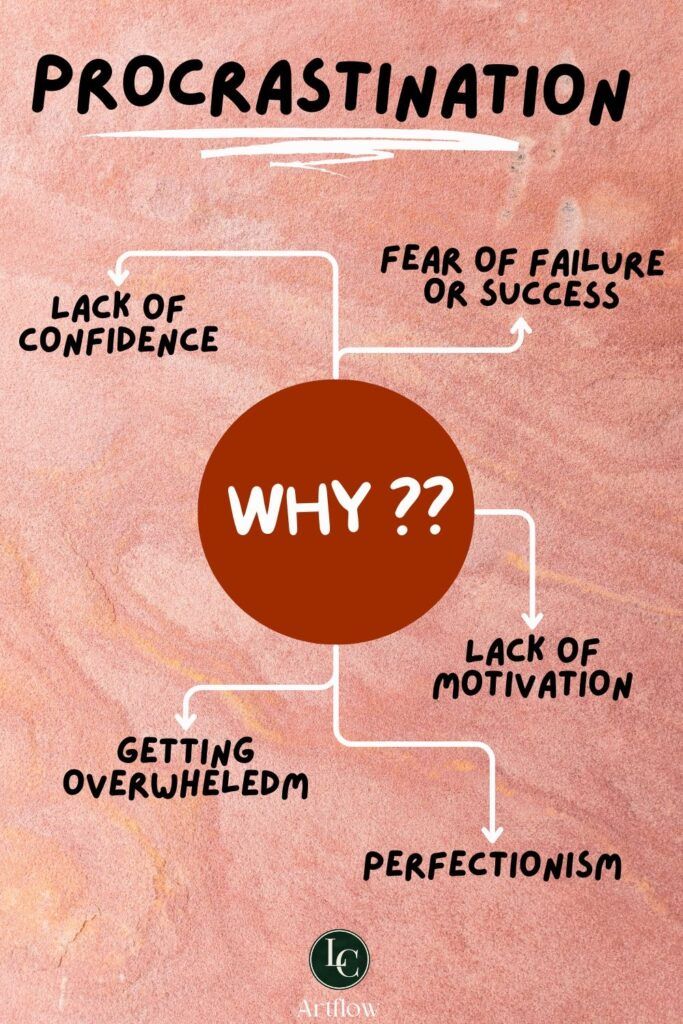
Psychologists believe procrastination is not a time problem — it’s an emotion problem.
Here are some common psychological reasons of procastination:
1. Emotional avoidance:
We delay tasks that make us feel anxious, bored, or uncertain and start procastination.
2. Short-term mood repair:
We choose activities that make us feel good now (like watching reels) over long-term goals (like finishing assignments) .
3. Fear of failure or perfectionism:
The thought of not doing something perfectly can stop us from starting at all. There we think about the task all day and then indulge in procastination.
4. Task overwhelm:
When the goal feels too big, our brain freezes — we don’t know where to begin.
5. Brain wiring:
The limbic system (emotion + pleasure) often overpowers the prefrontal cortex (planning + control), leading us to seek comfort over challenge.
💬 Tip: Ask yourself — am I procrastinating because I’m lazy or because I’m afraid?or Procastination is just an escape mechanism for you.
🌸 Psychological Effects of Procrastination
Procrastination doesn’t just delay your work — it reshapes your mindset.
These are the Psychological effects of procastination:
- Increased stress & anxiety: Deadlines trigger panic and guilt.
- Lower academic performance: We produce rushed work that reduces our confidence.
- Sleep & health impact: Staying up late to “catch up” affects our physical and emotional health.
- Low self-esteem: Repeated avoidance can make us feel incapable or lazy — even when we’re not.
🎯 Psychology Fact: Studies show procrastinators often experience more stress, guilt, and reduced well-being than non-procrastinators.
🌼 My Personal Take
Last semester, I kept delaying an assignment because I felt “not ready.” I’d tell myself, “I’ll start after dinner,” then end up watching a random video.
By the time I started, it was midnight, and I was exhausted. That’s when I realised — procrastination wasn’t my lack of discipline; it was my brain trying to avoid discomfort.
Now, whenever I feel that resistance, I remind myself:
“Discomfort means growth is near.”
💭 Why This Matters for Future Psychologists
As a student aspiring to become a clinical psychologist, understanding procrastination helps in two ways:
- It improves your own productivity and mental well-being.
- It prepares you to help others facing similar emotional struggles in therapy.
Knowing the psychological triggers behind delay gives us tools to design realistic, kind, and effective coping strategies — both for ourselves and our future clients.
🌷 How to Stop Procrastinating
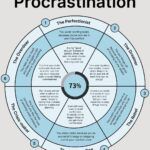

Here are science-backed, student-friendly strategies you can start today to overcome the vicious cycle of procastination:
1. Break the task.
Divide large goals into small chunks (e.g., read 1 page, write 50 words).
2. The 10-minute rule.
Start with 10 minutes. Once you begin, momentum will carry you forward.
3. Pomodoro technique.
Work for 25 minutes → 5-minute break → repeat.
4. Make it meaningful.
Connect the task to your bigger purpose (e.g., “I’m learning this for my future clients”).
5. Design your environment.
Keep your phone away, use calm lighting, and have a study playlist.
6. Replace guilt with curiosity.
Instead of “Why am I so lazy?”, ask “What emotion am I avoiding?”
7. Celebrate small wins.
Reward progress — not perfection.
🌸 Final Thoughts
Procrastination is part of being human — not a flaw.
The key is awareness and gentle self-discipline. Every time you choose to start, even for 5 minutes, you rewire your brain for resilience.
Let’s stop seeing procrastination as failure and start treating it as feedback.
💬 Question for you:
What’s one task you’ve been delaying that you’ll start for 10 minutes today?
Share it below — let’s grow together. 🌷
Author Bio:
Written by Rasmeen Kaur — BA Psychology Student & Future Clinical Psychologist passionate about exploring the human mind and helping others grow.