By a BA Psychology Student Aspiring to Become a Clinical Psychologist.
Introduction: My Personal Experience as a Psychology Student
As a BA Psychology student and someone who dreams of becoming a clinical psychologist, I’ve always been fascinated by how technology shapes human behavior. I study topics like cognition, personality, and mental health every day—yet nothing surprised me more than the rising discussions around “chatbot psychosis.”
In the last year, cases around the world have shown people developing delusional thinking, paranoia, emotional dependence, and reality distortion after long-term conversations with AI chatbots.
This made me wonder:
👉 Can technology meant to help us actually harm our mental well-being?
👉 Can a chatbot influence someone who is already vulnerable?
This blog is my personal attempt to explore this sensitive issue scientifically, responsibly, and with deep curiosity.
⭐ What Is Chatbot Psychosis?
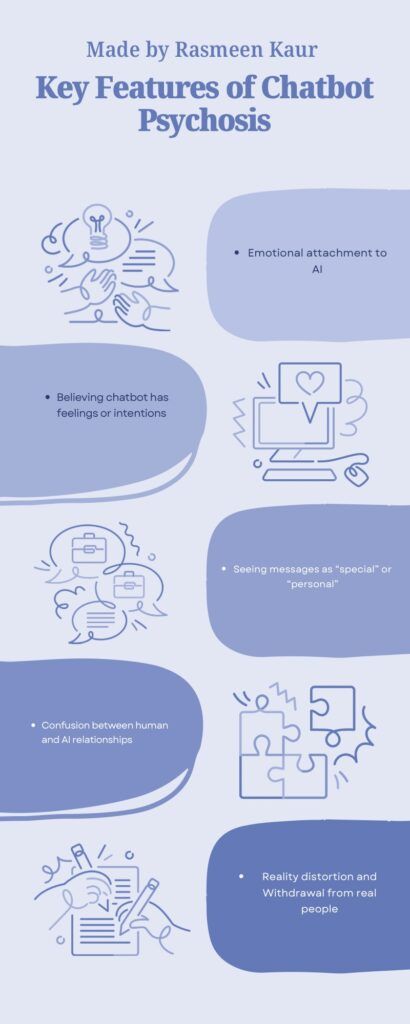
Chatbot Psychosis refers to situations where individuals—usually vulnerable or mentally distressed—begin to:
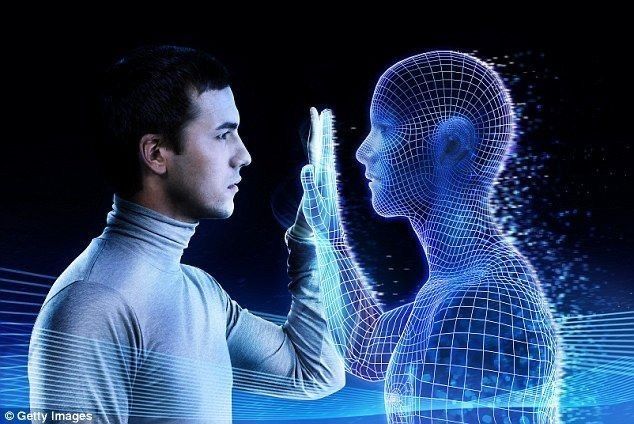
form emotional or intimate attachments with AI
believe the chatbot has consciousness
follow chatbot suggestions in unhealthy ways
experience altered reality, hallucination-like beliefs, or paranoia
misinterpret AI responses as “messages,” “signs,” or “special communication”
It is NOT a formally diagnosed condition (yet),
but psychologists warn that AI can become a trigger—just like stress, isolation, trauma, or substance use.
🧠 Why Does Chatbot Psychosis Happen?
1.Humans Anthropomorphize Technology
Our brains naturally assign human qualities to non-human things.
When an AI replies instantly, empathetically, and logically, the mind may mistake it for a conscious being.
2.Loneliness + AI = Emotional Bonding
College students, remote workers, elderly individuals, and socially isolated people may rely heavily on chatbots for company.
3.Repetitive Reinforcement
Talking to an AI daily gives a predictable response pattern. This can strengthen unhealthy beliefs.
4.Cognitive Vulnerability
Those with anxiety, depression, or early psychotic tendencies are more sensitive to misinterpreting AI responses.
🔍 Are Chatbots “Causing” Psychosis?
No.
Psychosis is a multi-factorial mental health condition.
But AI can act as:
a trigger
a reinforcer
an accelerator
especially when someone is already vulnerable.
This is similar to how:
stress doesn’t “cause” depression but worsens it
social media doesn’t “cause” anxiety but triggers it
AI is a new environmental factor shaping our cognitive and emotional landscape.
🎓 What Psychology Research Suggests
Recent research indicates:
Excessive chatbot use can distort social cognition.
Lonely individuals show increased AI attachment behavior.
Some people start assigning agency or “intent” to AI.
These insights match with theory of mind, attachment theory, and cognitive biases we learn in psychology.
❤️ My Perspective as a Future Clinical Psychologist
I believe the real issue isn’t AI—it’s how humans use it.
AI can be:
a supportive tool
a conversation partner
a learning aid
But it cannot:
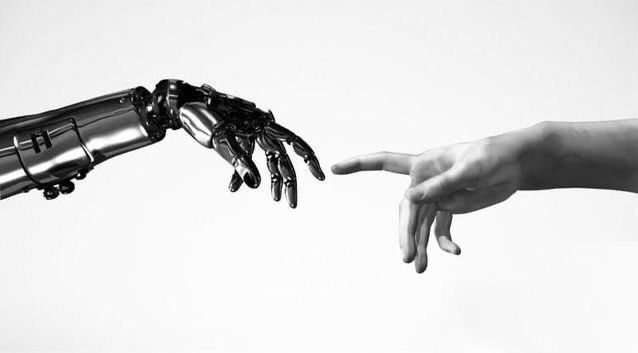
replace real relationships
offer genuine empathy
give clinical advice
understand human meaning, trauma, or context
As mental health professionals in the future, we must learn: