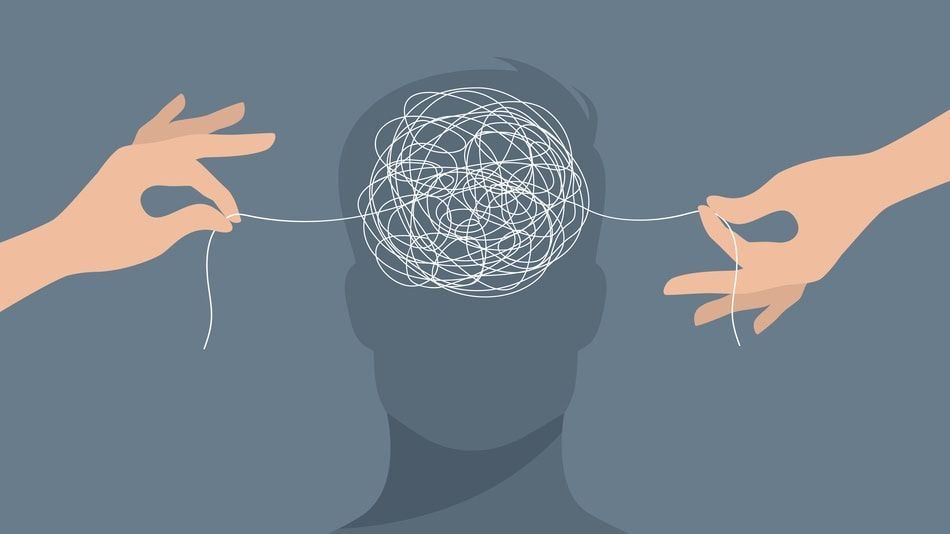
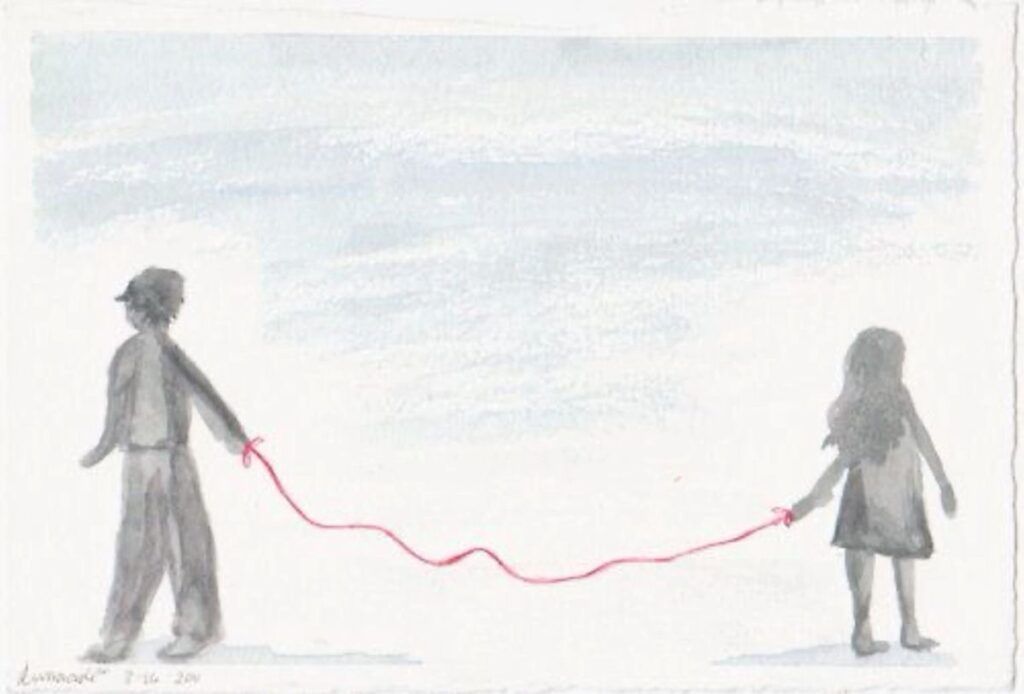
As a college psychology student (and someone who wants to become a clinical psychologist), one concept that fascinates me is silent manipulation. Unlike obvious manipulation, silent manipulation hides behind kindness, silence, guilt, and emotional pressure.
It’s not dramatic — it’s slow, subtle, and psychological.
🕸️ What Is Silent Manipulation?
Silent manipulation is when someone influences your thoughts or behaviour without saying much at all. They use:
Cold silence
Withdrawal
Selective affection
Emotional distance
Guilt-loaded pauses
This type of manipulation is common in friendships, families, relationships, classrooms, and even workplaces.
🧠 Why Is Silent Manipulation Dangerous?
Because it feels normal.
It doesn’t shout — it whispers. And that’s why most people don’t notice it.
🔥 It creates:
Self-doubt (“Did I do something wrong?”)
Behavioural dependency
Fear of disappointing others
Emotional instability
Constant overthinking
For psychology students like us, understanding this helps us recognise unhealthy patterns early and become better at reading people.
🌱 My Student Perspective: What I Learned
When I first studied dark psychology and covert behaviour, I realised how many people use manipulation unconsciously — not because they are evil, but because they learned it as a survival pattern.
Understanding this made me more empathetic without letting anyone cross my emotional limits.
🛡️ How to Protect Yourself (Quick & Practical)
Notice changes in tone, silence, and patterns
Don’t apologise unless you genuinely did something wrong
Don’t let silence control your emotions
Ask direct questions
Build emotional independence through self-awareness
Don’t believe blindly what others say.
Do what you like and what you want to.
Never take money offers from them.
🧩 Understanding Subtle Manipulation: The Psychology Behind Hidden Control
Manipulation is not always loud or visible. Some forms of manipulation are so silent, so emotionally soft, that people do not even realise they are being manipulated until much later. As a psychology student, I have learned that manipulation works on the mind by targeting emotions, insecurities, and unspoken fears.
🧠 Why Manipulation Works So Well (Dark Psychology Insight)
Manipulation succeeds because the human mind seeks approval, attachment, and clarity. When someone uses manipulation strategically, they exploit:
cognitive biases
emotional vulnerabilities
attachment styles
fear of loss
need for validation
As a future clinical psychologist, understanding how manipulation works at a psychological level helps me not only protect myself but also educate others through awareness.