
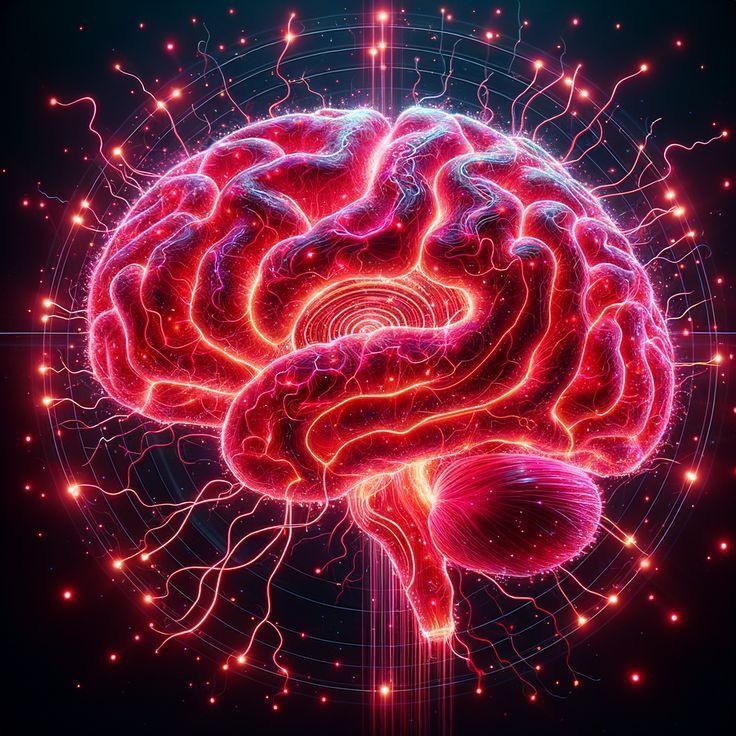
Anxiety disorders has become one of the most frequently used words in our generation, yet only a few truly understand what an anxiety disorder actually means. As a psychology student, my journey into mental health made me realize how easily everyday stress gets confused with clinical anxiety. Through academic learning and exposure to real cases, I discovered that an anxiety disorder is not a personality trait, not an overreaction, and not something one can “snap out of.” It is a serious mental health condition or a mental disorder that affects thoughts, emotions, and behaviour in ways that interfere with daily functioning.
This blog breaks down what an anxiety disorder really is, why it occurs, and how it can be treated—written to educate, inform, and spread awareness rooted in reliable psychological knowledge.
⭐ What Is an Anxiety Disorders?
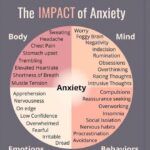
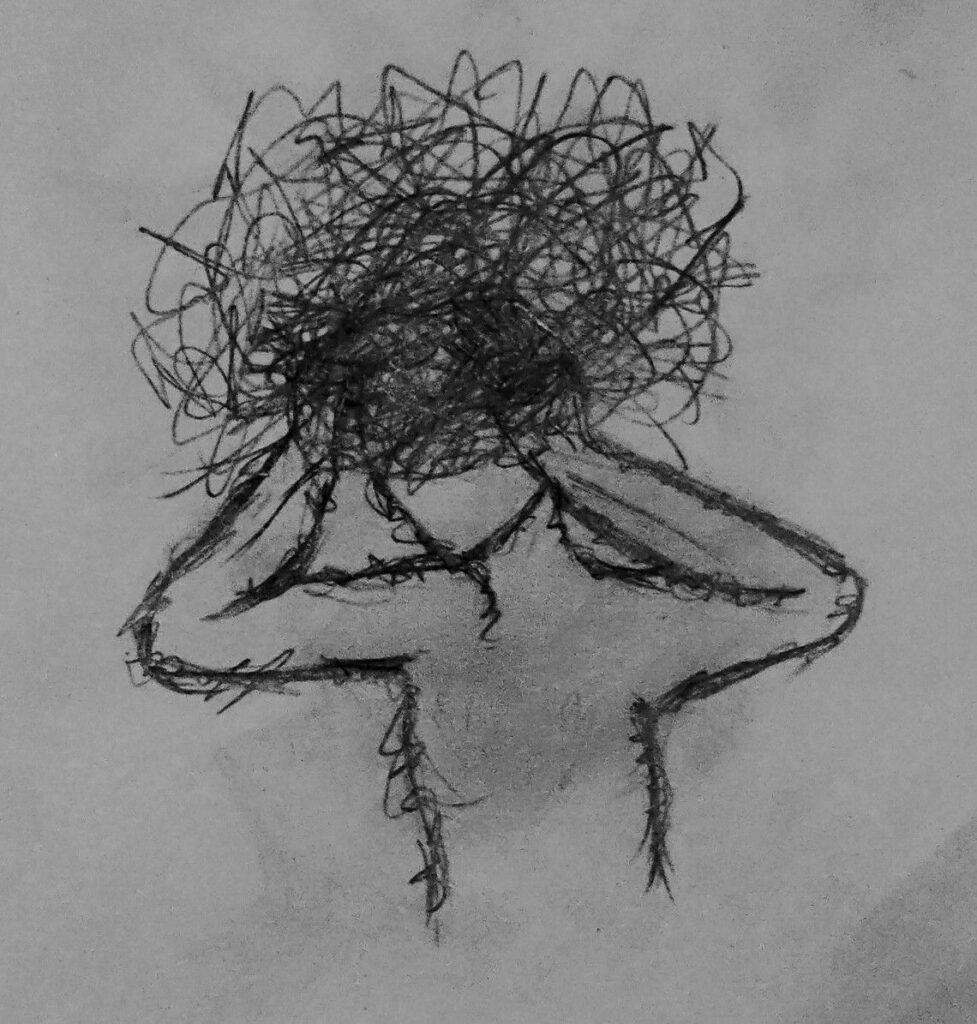
An anxiety disorders is a mental health condition in which a person experiences excessive, irrational fear or worry that does not match the actual situation. Unlike normal stress, this fear is persistent, intense, and uncontrollable. It affects the body (like increased heart rate), the mind (racing thoughts), and behaviour (avoidance of everyday situations).
According to clinical psychology, an anxiety disorders becomes diagnosable when symptoms continue for six months or more and interfere with work, relationships, or daily routines.

⭐ Types of Anxiety Disorders
Psychology classifies anxiety disorders into several categories based on symptoms and triggers. Each type shows a different pattern of fear, worry, and behavioural response.
1. Generalized Anxiety Disorder (GAD)
GAD involves chronic worrying about routine activities—health, relationships, finances, studies—often without any specific reason. A person with GAD feels “anxiety every day” without being able to switch it off.
2. Panic Disorder
This type includes sudden, intense panic attacks with symptoms such as choking sensations, chest pain, heart palpitations, fear of dying, and trembling. Panic attacks can happen anytime, which increases anticipatory fear.
3. Social Anxiety Disorder (Social Phobia)
People with social anxiety disorder fear negative judgment, embarrassment, or being watched. Even simple tasks like speaking in class or eating in public challenge them.
4. Specific Phobias
These include irrational and excessive fear of particular objects or situations—like heights, animals, insects, or flying.
5. Agoraphobia
Agoraphobia involves the fear of situations where escape might be difficult—crowds, open spaces, travelling, or being alone outside home.
6. Separation AnxietyDisorder
Though common in children, adults can experience extreme distress when separated from attachment figures.
⭐ Causes of Anxiety Disorders
There is no single cause. An anxiety disorder often results from the interaction of multiple factors, including:
1. Biological Factors
Imbalance in neurotransmitters like serotonin, dopamine, and GABA can influence anxiety levels.
2. Genetic Predisposition
A family history of anxiety disorder increases vulnerability.
3. Psychological Factors
Perfectionistic tendencies, negative thinking patterns, and traumatic experiences can contribute.
4. Environmental Factors
Work pressure, academic stress, relationship conflicts, and major life changes can trigger or worsen the condition.
5. Brain Structure and Functioning
Overactivity in the amygdala (fear center) is commonly associated with anxiety disorders.
⭐ Diagnosis of Anxiety Disorders
Mental health professionals diagnose anxiety disorders using clinical interviews, psychological tests, behavioural observations, and DSM-5 criteria. The accuracy of diagnosis is crucial because many symptoms overlap with depression and other mental health conditions.
⭐ Treatment Options for Anxiety Disorders
1. Psychotherapy
The first-line treatment for anxiety disorders is Cognitive Behavioural Therapy (CBT). It helps individuals identify distorted thinking patterns and reduce avoidance behaviours.
2. Medication
Doctors may prescribe SSRIs, benzodiazepines, or beta-blockers depending on the type and intensity of the anxiety disorders.
3. Lifestyle Modifications
- Mindfulness and meditation
- Physical exercise
- Adequate sleep
- Balanced diet
- Limiting caffeine
4. Support Systems
Sharing your experiences with friends, family, or support groups can significantly reduce feelings of isolation.
⭐ Why Awareness Matters
Anxiety disorders are often misunderstood. Many people suffering in silence feel judged or invalidated. As psychology students and future mental health workers, our role is to create safe spaces, debunk myths, and encourage help-seeking behaviour.
Awareness can save lives. Early diagnosis and treatment significantly improve long-term outcomes.
⭐ Conclusion
An anxiety disorders are more than stress—it’s a psychological condition that affects millions worldwide. But with understanding, compassion, and proper treatment, individuals can regain control of their lives. As a psychology student aspiring to work in mental health, learning about anxiety disorders deepened my sense of purpose: to educate, empathize, and empower.