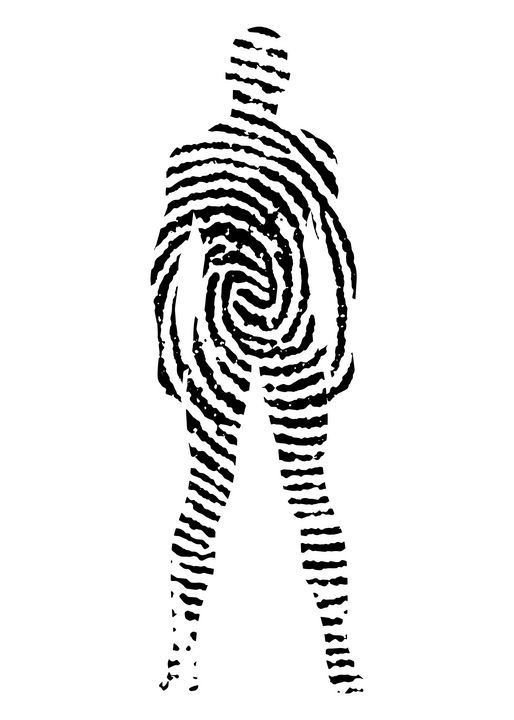
Dissociation is a human experience most of us go through at some point—like when we “zone out” during a long lecture or drive without remembering the last few minutes. But when dissociation becomes severe, frequent, and disrupts daily functioning, it may indicate a dissociative disorder. These disorders affect a person’s memory, identity, emotions, and perception of reality. As someone studying psychology and deeply interested in understanding the human mind, I find dissociative disorder to be one of the most intriguing and misunderstood conditions.
🔹 What is Dissociative Disorder?
A dissociative disorder is a mental health condition in which a person disconnects from their thoughts, memories, identity, or surroundings. This disconnection acts as a psychological escape from overwhelming stress or trauma. In many cases, the individual is unaware of the severity of the detachment and may describe feeling “unreal,” “outside their body,” or “disconnected from themselves.”
This disorder is commonly linked to early childhood trauma, chronic stress, or extreme emotional experiences that the mind cannot integrate.




🔹 Why Dissociation Happens: The Psychological Basis
From a clinical psychology perspective, dissociation is a defense mechanism. When the brain perceives danger that cannot be escaped physically or emotionally, it “disconnects” to protect the person from overwhelming pain. This is why dissociative disorder is strongly associated with:
- Childhood emotional, physical, or sexual trauma
- Natural disasters, accidents, or war exposure
- Long-term neglect or domestic violence
- Repeated emotional invalidation
Neuroscience studies show altered activity in the amygdala, hippocampus, and prefrontal cortex—regions responsible for memory, emotion regulation, and identity.
⭐ Types of Dissociative Disorders
1. Dissociative Amnesia
This involves the inability to recall personal information, often related to trauma. The memory gap is beyond normal forgetfulness. In severe cases, a person may wander away from home (dissociative fugue).
Signs include:
- Missing chunks of memory
- Confusion about identity
- Sudden travel or wandering
2. Dissociative Identity Disorder (DID)
Previously known as multiple personality disorder, DID is the most severe and rare form of dissociative disorder. An individual develops two or more distinct identity states, often as a result of repeated childhood trauma.
Common symptoms:
- Distinct “alters” with different behaviors
- Memory lapses
- Feeling “taken over” internally
- Changes in voice or attitude
3. Depersonalization/Derealization Disorder
Here, the person remains aware that something is wrong—unlike in psychotic disorders. They experience:
- Depersonalization: feeling detached from their own self
- Derealization: feeling like the world is dreamlike or unreal
People often describe it as watching themselves in a movie.
🔹 Symptoms of Dissociative Disorder
Symptoms vary across individuals but commonly include:
•Feeling disconnected from mind or body
•Memory gaps
•Identity confusion or fragmentation
•Emotional numbness
•Time loss or “blackouts”
•Difficulty recognizing familiar people
•Feeling the world is unreal
•Altered sense of self
Early identification is essential because dissociative disorder may resemble depression, PTSD, anxiety, or borderline personality disorder.
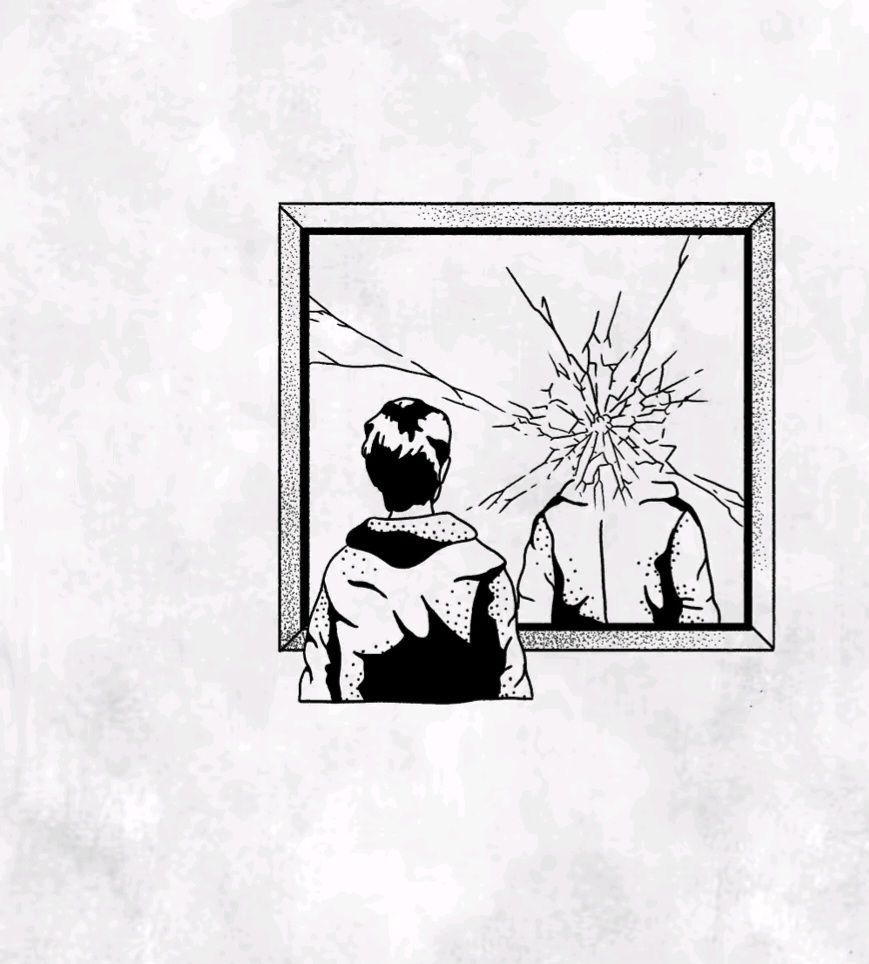
⭐ Causes of Dissociative Disorder
1. Trauma (most significant cause)
Studies show 90% of DID patients report chronic childhood trauma.
2. High Stress or Emotional Overload
Prolonged periods of intense stress can trigger dissociation.
3. Environmental Factors
Unstable families, lack of emotional support, or early exposure to violence.
4. Neurobiological Vulnerabilities
Differences in brain connectivity that regulate consciousness and identity.
⭐ Diagnosis: How Professionals Identify Dissociative Disorders
A qualified mental health professional uses:
- Clinical interviews
- Trauma history assessment
- Dissociative Experiences Scale (DES)
- DSM-5 diagnostic criteria
They also rule out neurological conditions, substances, or medical causes.
⭐ Treatment Options for Dissociative Disorder
1. Psychotherapy (Main Treatment)
The most effective therapies include:
•Trauma-Focused Therapy
•Cognitive Behavioral Therapy (CBT)
•Dialectical Behaviour Therapy (DBT)
•EMDR (Eye Movement Desensitization and Reprocessing)
Therapy aims to integrate fragmented identities, restore memory continuity, and process trauma safely.
2. Medication
There is no direct medication for dissociative disorder, but doctors may prescribe drugs for:
•PTSD symptoms
3. Grounding Techniques
Used to reconnect the individual with the present moment:
•Deep breathing
•Sensory grounding
•Mindfulness
•Touch grounding (holding ice, textured objects)
4. Building Emotional Regulation
Learning self-soothing, journaling, routine building, and distress-tolerance skills.
⭐ Living with Dissociative Disorder
Recovery is possible. Many individuals lead meaningful lives with proper therapy, support systems, and coping tools. It requires patience, consistency, and trauma-sensitive care.
As a psychology student, I strongly believe that awareness is the first step. The more we understand dissociative disorder, the more compassion and support we can offer to those who silently struggle.