
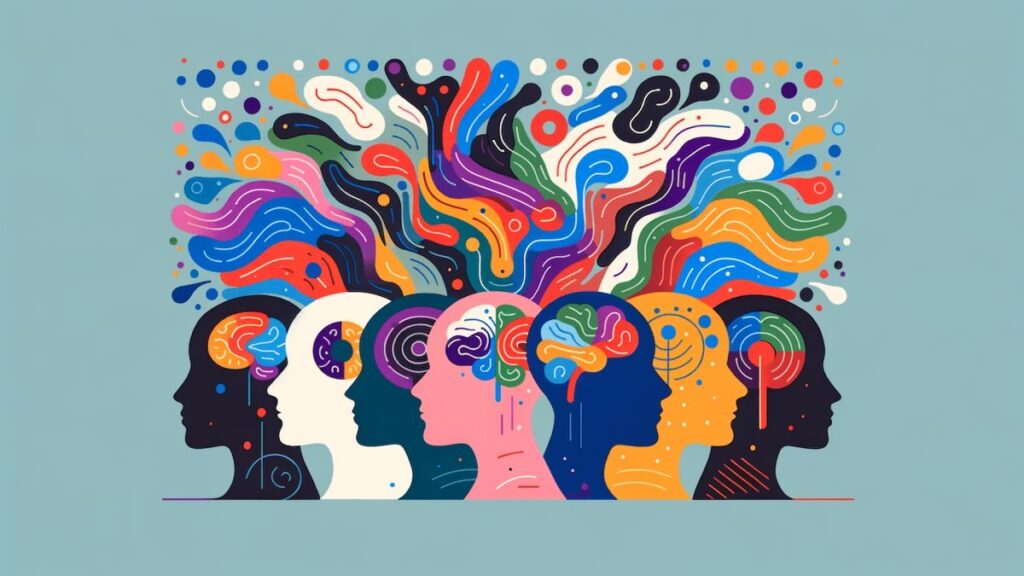
Autism Spectrum Disorder is not merely a clinical diagnosis; it is a deeply human condition that reflects the vast diversity of the human mind. As a psychology student aspiring to become a clinical psychologist, I have often found that autism challenges the way society defines “normal” behaviour, intelligence, communication, and emotional expression. Autism Spectrum Disorder invites us to move beyond labels and toward understanding people as they are—complex, capable, and unique.
From a psychological standpoint, autism spectrum disorder is a neurodevelopmental condition that affects how individuals perceive the world, communicate with others, and process social and sensory information. The word “spectrum” is crucial here, as no two individuals with autism present in the same way.
What Is Autism Spectrum Disorder?
Autism Spectrum Disorder (ASD) is neurological disorder characterised by persistent difficulties in social communication and social interaction, along with restricted, repetitive patterns of behaviour, interests, or activities. These characteristics typically appear in early childhood and continue throughout the lifespan.
Psychology recognises autism spectrum disorder as a condition rooted in differences in brain development rather than a disease that needs to be “cured.” Individuals with ASD may experience the world differently—sometimes more intensely, sometimes more selectively—but these differences are not deficits by default.
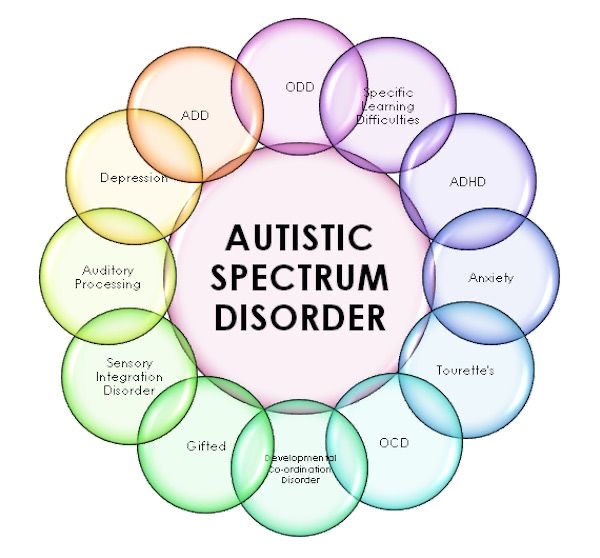
Psychological Characteristics of Autism Spectrum Disorder
1. Social Communication and Interaction
One of the most discussed psychological aspects of autism spectrum disorder is difficulty in social communication. This may include challenges in understanding non-verbal cues such as facial expressions, tone of voice, or body language. Many individuals with ASD prefer direct and literal communication, which can be misinterpreted by neurotypical individuals.
From a psychological perspective, this difference does not indicate a lack of empathy. Research increasingly shows that people with autism spectrum disorder often experience empathy deeply but express it in ways that differ from social expectations.
2. Cognitive Processing and Thinking Patterns
Individuals with autism spectrum disorder often show unique cognitive strengths. These may include strong attention to detail, exceptional memory, pattern recognition, and logical reasoning. Psychology refers to this as a difference in information processing rather than a limitation.
However, cognitive rigidity can also occur, making changes in routine or unexpected situations emotionally challenging. This rigidity is often misunderstood as stubbornness, while in reality it reflects the brain’s need for predictability and structure.
3. Emotional Experience in Autism Spectrum Disorder
Emotionally, people with autism feel just as deeply as anyone else. What differs is emotional regulation and expression. Many individuals experience heightened anxiety, sensory overload, or emotional shutdowns when overwhelmed.
Psychology explains this through sensory processing differences. Sounds, lights, textures, or social environments that seem ordinary to others may feel intensely distressing to someone with ASD. Understanding this emotional landscape is essential for creating supportive environments.
⸻
4. Sensory Processing and Behaviour
Sensory sensitivity is a core psychological feature of autism spectrum . Individuals may be hypersensitive or hyposensitive to sensory input such as sound, touch, taste, or movement. Repetitive behaviours, often referred to as “stimming,” help regulate these sensory experiences.
Rather than viewing such behaviours as problematic, modern psychology recognises them as adaptive coping mechanisms that help individuals manage stress and maintain emotional balance.
⸻
Autism Spectrum Disorder Across the Lifespan
Autism spectrum is lifelong, but its expression changes over time. Children with ASD may struggle in structured school environments, while adolescents may face challenges with identity, peer relationships, and self-esteem.
Adults with autism spectrum disorder often remain underdiagnosed, especially women, due to masking behaviours—consciously imitating social norms to fit in. This masking can lead to emotional exhaustion, anxiety, and burnout, a topic gaining increasing attention in psychological research.
⸻
The Role of Psychology in Supporting Autism
Psychology plays a critical role in supporting individuals with autism spectrum —not by changing who they are, but by helping them navigate a world designed for neurotypical minds. Interventions such as cognitive-behavioural strategies, social skills training, and sensory integration approaches can improve quality of life.
Equally important is psychoeducation for families, educators, and society. Acceptance, accommodation, and understanding are far more powerful than attempts at normalisation.
⸻
Moving Toward Neurodiversity and Acceptance
The neurodiversity movement has reshaped how psychology views autism spectrum disorder. Instead of focusing solely on deficits, this perspective highlights strengths and advocates for inclusion, dignity, and respect.
As future psychologists, it is our ethical responsibility to challenge stereotypes and promote a balanced, humane understanding of autism. Autism spectrum is not a tragedy—it is a different way of being human.
⸻
Conclusion
Understanding autism spectrum disorder through a psychological lens allows us to see beyond diagnostic criteria and into lived experience. When society learns to listen, accommodate, and value neurodivergent voices, mental health care becomes not just clinical—but compassionate.
Autism spectrum reminds us that diversity of mind is as essential as diversity of culture, language, and identity.