As a psychology student dreaming of becoming a clinical psychologist, I often find myself drawn to the intricate world of mental disorders. Among them, Obsessive–Compulsive Disorder (OCD) stands out—not just because of its complexity, but because of how misunderstood it still is in everyday conversations.
Most people casually say, “I’m so OCD,” when they like things neat. But this disorder is not about being tidy—it’s a deeply distressing cycle of intrusive thoughts and repetitive behaviours that a person feels compelled to perform. In my BA journey, learning about this disorder changed how I view people, emotions, and even my own thought patterns.
What OCD Really Means
OCD is a mental disorder characterized by unwanted intrusive thoughts (obsessions) and repetitive behaviors or mental acts (compulsions) performed to reduce anxiety. When I first studied obsessive compulsive disorder , I was surprised by how intense and overwhelming these obsessions can be. They aren’t simple worries—they’re persistent, intrusive, and often irrational thoughts that a person cannot easily silence. Compulsions aren’t habits. They are attempts to regain control, even if temporarily, from the distress caused by obsessions.
Common Types of OCD
During my coursework, I came across various forms of Obsessive–Compulsive Disorder, each unique yet connected through anxiety-driven cycles. These include:
1. Contamination OCD
This form involves intense fears about germs, dirt, or illness. The compulsions usually include excessive washing, cleaning, or avoiding certain places.
2. Checking OCD
People with this type feel compelled to repeatedly check if things are safe—like locking doors, turning off stoves, or verifying they didn’t harm someone accidentally.
3. Intrusive Thought OCD
As a student, this type shocked me the most. These thoughts can be violent, sexual, or morally disturbing—yet they are the opposite of what the person wants. It taught me how important it is never to judge someone by their thoughts.
4. Symmetry and Ordering OCD
Here, the person needs objects to be aligned perfectly, arranged symmetrically, or ordered in specific ways.
These subtypes helped me grasp how OCD presents differently in different individuals.
What Obsessive–Compulsive Disorder Really Feels Like: More Than Just Perfectionism
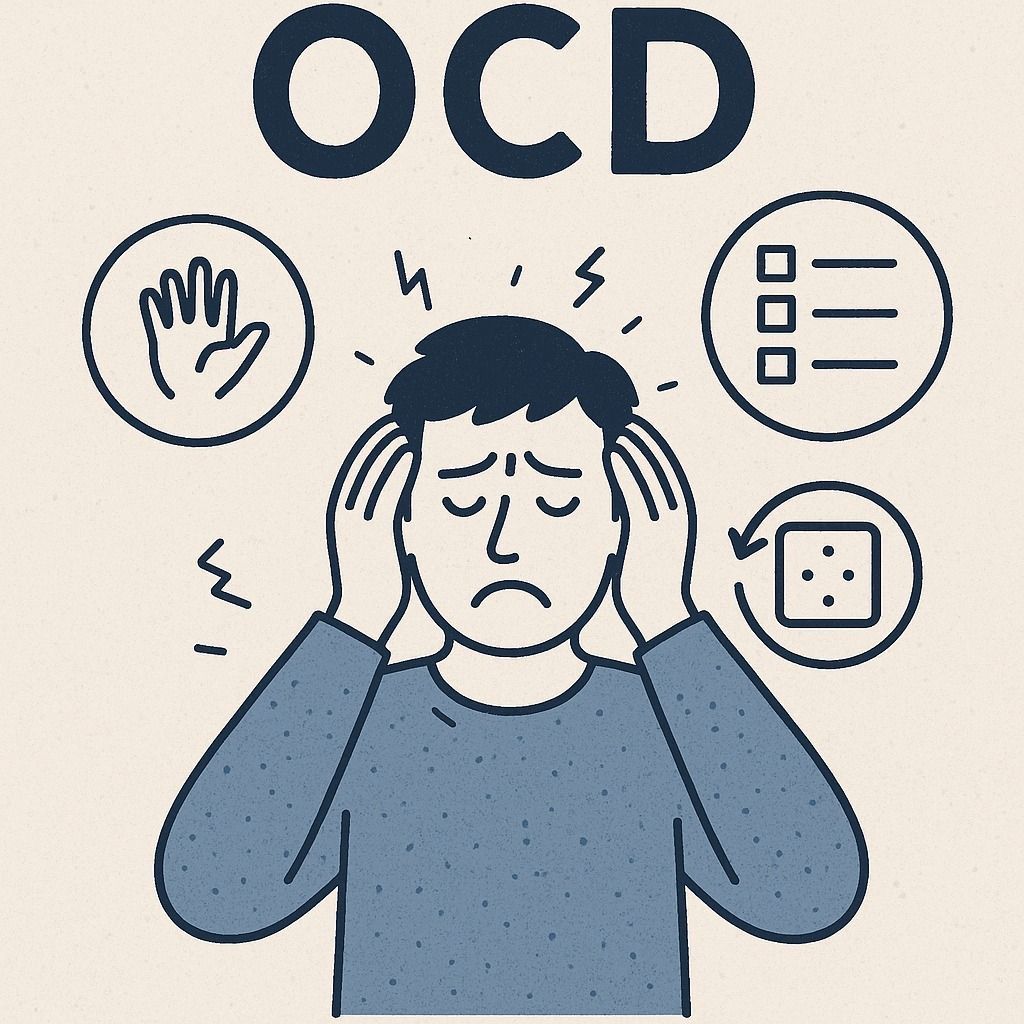
1. Intrusive, Unwanted Thoughts
People with OCD experience disturbing, uncontrollable thoughts known as obsessions.
These may include:
- Fear of contamination
- Fear of harming someone
- Fear of losing control
- Extreme doubt about everyday tasks
These obsessions create intense anxiety, pushing the person into a cycle they cannot escape.
2. Compulsions That Take Over Daily Life
Compulsions are repetitive actions performed to neutralise the anxiety caused by obsessions. Examples include:
- Excessive hand-washing
- Repeating a task until it “feels right”
- Checking doors or appliances dozens of times
- Counting rituals
- Mental compulsions like silently repeating phrases
For someone battling OCD, skipping a compulsion doesn’t feel like skipping a habit—it feels unsafe.

Why OCD Happens: The Psychology Behind It
From a psychological perspective, Obsessive–Compulsive Disorder is influenced by multiple factors:
Biological Components
- Imbalance in serotonin pathways
- Overactivity in the orbitofrontal cortex
- Genetic predisposition
Psychological Contributors
- Maladaptive coping styles
- Cognitive distortions
- Hyperresponsibility thinking
Environmental Triggers
- Trauma
- High-stress environments
- Childhood conditioning
During my classes, I realised how each layer adds to the complexity of mental disorders, making them deeply personal yet widely universal.
How OCD Affects Life: The Hidden Struggles
1. Emotional Drain
Constant intrusive thoughts create chronic stress. People often feel guilty, ashamed, or frustrated because they know their compulsions don’t logically make sense—but the anxiety wins anyway.
2. Social Life Gets Affected
Friends often misunderstand. Family may get frustrated. People with OCD may isolate themselves to avoid judgment.
3. Academic and Work Difficulties
Rituals can consume hours. Concentration drops. Productivity suffers.
As a student, imagining this struggle made me realise how mental disorders silently shape someone’s entire routine.
Treatment Options: What Actually Works
1. Cognitive Behavioural Therapy (CBT)
Specifically ERP (Exposure and Response Prevention)—the gold standard.
It gradually exposes individuals to triggers while preventing compulsions, helping the brain unlearn fear responses.
2. Medication
- SSRIs
- Sometimes antipsychotic augmentation
Together with therapy, medication helps regulate intrusive thoughts.
3. Lifestyle Support
- Mindfulness
- Grounding techniques
- Stress-management routines
Understanding these methods during my BA program strengthened my belief that clinical psychology is not just science—it’s compassion.
My Personal Take: Why Learning About OCD Matters
Studying mental disorders has shown me the difference between awareness and understanding.
Obsessive–Compulsive Disorder is not a joke, not a personality quirk, and definitely not a preference for cleanliness.
It is a difficult, exhausting, often silent battle.
As someone who wants to become a clinical psychologist, I want people to know:
- OCD is treatable
- It does not define someone
- Empathy and knowledge can change lives
Every chapter I read, every case study I annotate brings me closer to this goal.