
As a BA psychology student aspiring to become a clinical psychologist, I have come to realize that mental health is not only about conditions like OCD or depression that develop later in life. Many psychological challenges begin early, shaping how individuals think, communicate, learn, and relate to the world. These are known as intellectual and neurodevelopmental disorders, and understanding them is crucial for building empathy, reducing stigma, and promoting mental well-being.
Neurodevelopmental disorders typically appear in childhood and affect cognitive, emotional, academic, and social functioning. While they are different from mood disorders such as depression or anxiety-related conditions like OCD, they often coexist, making early awareness and informed support essential.
Below is a brief yet clinically grounded overview of the major intellectual and neurodevelopmental disorders.
Intellectual Disability is characterized by significant limitations in both intellectual functioning and adaptive behavior. This includes challenges in reasoning, problem-solving, learning, and everyday social skills. These difficulties usually manifest before the age of 18.
It is a type of neurodevelopmental disorders. People with intellectual disability are often misunderstood. Their emotional depth, capacity for relationships, and individuality are frequently underestimated. From a psychological standpoint, support systems focusing on skill development, structured learning, and emotional validation play a critical role in enhancing quality of life.
It is also important to note that individuals with intellectual disability may experience secondary mental health concerns such as depression, particularly when exposed to social exclusion or lack of accommodation.
Autism Spectrum Disorder (ASD)
Autism Spectrum Disorder is a neurodevelopmental disorders that affects social communication, behavior, and sensory processing. The term “spectrum” reflects the wide range of abilities and challenges individuals may experience.
Some individuals with ASD may have exceptional cognitive strengths, while others may need lifelong support. Difficulty interpreting social cues, preference for routines, and sensory sensitivities are common features.
Research and lived experiences highlight that people with autism are not “lacking emotion,” but often experience emotions intensely. When misunderstood or unsupported, they may also be vulnerable to anxiety, depression, or obsessive thought patterns similar to OCD.
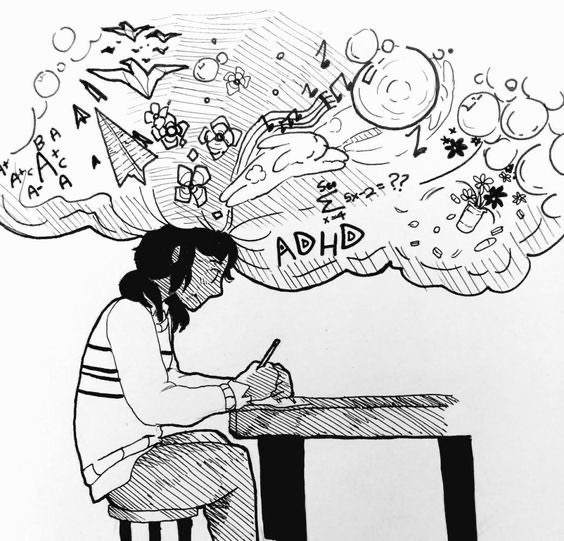
Attention-Deficit/Hyperactivity Disorder (ADHD)
ADHD is marked by persistent patterns of inattention, hyperactivity, and impulsivity that interfere with daily functioning. It affects both children and adults, though symptoms may change over time.
In academic settings, ADHD is often mistaken for laziness or lack of discipline. Psychologically, this misunderstanding can damage self-esteem and contribute to emotional distress, including depressive symptoms.
Many individuals with ADHD experience overlapping traits with OCD, such as intrusive thoughts or hyperfocus, which is why differential diagnosis by trained professionals is essential also a neurodevelopmental disorders.
Specific Learning Disorders (SLD)
Specific Learning Disorders are another neurodevelopmental disorders involve difficulties in academic skills such as reading (dyslexia), writing (dysgraphia), or mathematics (dyscalculia), despite average or above-average intelligence.
Students with learning disorders often internalize failure, leading to chronic stress, anxiety, and depression. From a clinical psychology perspective, early identification, individualized teaching strategies, and emotional reassurance can significantly alter long-term outcomes.
Learning disorders are not a reflection of intelligence; they represent differences in how the brain processes information.

Communication Disorders
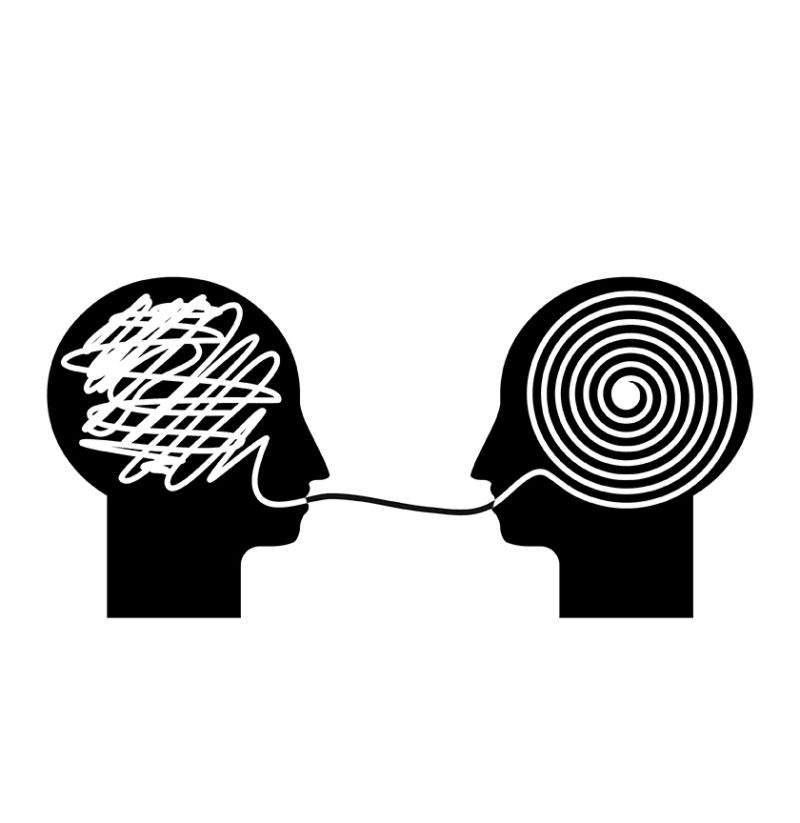
Communication disorders are another type of neurodevelopmental disorders which affect speech, language, or social communication abilities. These include speech sound disorder, language disorder, and social (pragmatic) communication disorder.
Difficulty expressing thoughts or understanding language can isolate individuals socially. Over time, this isolation may contribute to emotional difficulties, including low mood or anxiety.
Effective intervention focuses on speech-language therapy combined with psychological support, reinforcing both confidence and competence.
Why Understanding These Disorders Matters
As future mental health professionals—and even as informed citizens—our responsibility is to move beyond labels. While disorders like OCD and depression receive more public attention, intellectual and neurodevelopmental disorders deserve equal awareness and sensitivity.
Psychology teaches us that behavior is communication. When we understand the psychological roots of these conditions, we create environments that are inclusive, supportive, and humane.
Disclaimer: This article is for educational purposes only and does not replace professional diagnosis or treatment.