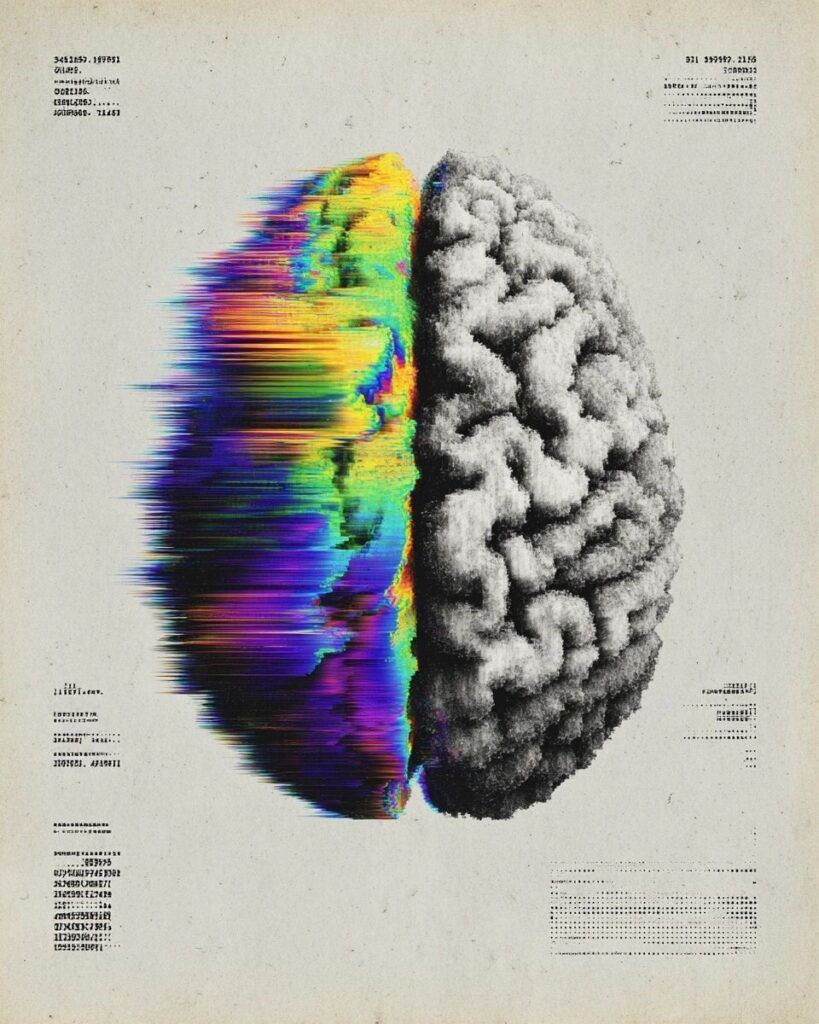
As a BA Psychology student planning to become a clinical psychologist, learning about schizophrenia changed the way I understand mental health. It is not “madness” or “split personality” — it is a chronic mental disorder that affects how a person thinks, feels, and interprets reality.
What touched me most during my study of this mental disorder is how misunderstood people living with schizophrenia are. My goal as a future psychologist is to help break this stigma with empathy and awareness.
🔍 What Is Schizophrenia?
Schizophrenia is a chronic and severe mental health disorder that affects how a person thinks, feels, and behaves. It changes the way an individual perceives reality, often making it hard for them to understand what is real and what is not. Because of this, it is considered one of the most misunderstood psychological conditions.
As a BA psychology student aspiring to become a clinical psychologist, your readers will appreciate a scientific yet empathetic explanation.
🔍 Core Idea of Schizophrenia
It is not about having “split personality.”
It is actually a brain disorder involving:
- Disrupted thought processes
- Altered perceptions
- Emotional disturbance
- Changes in behavior
- Difficulty with social functioning
Symptoms usually begin between late teens to early adulthood—often during college age.

Schizophrenia
Schizophrenia is a serious mental health disorder that affects the way a person thinks, feels, and understands reality.
🌧️ Symptoms of Schizophrenia (Simple Explanation)
Positive Symptoms
Negative Symptoms
Cognitive Symptoms
- Hallucinations
- Delusions
- Disorganized speech
- Lack of motivation
- Reduced emotional expression
- Social withdrawal
- Lack of motivation
- Reduced emotional expression
- Social withdrawal
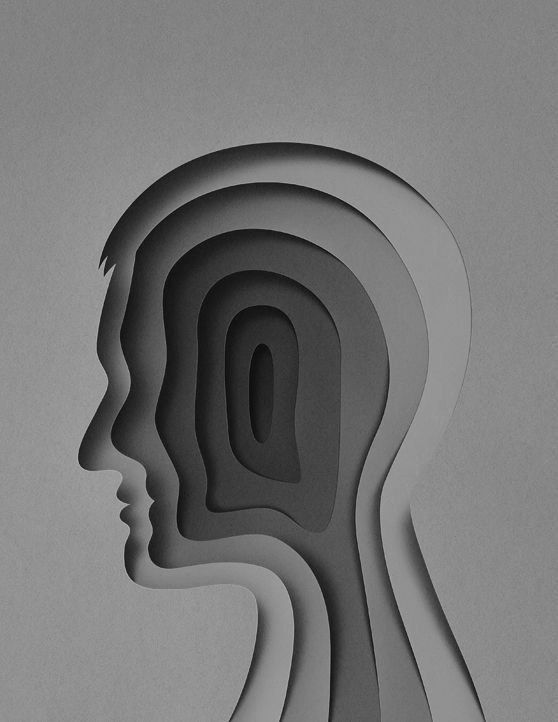
1. Positive Symptoms (Experiences Added to Reality)
These are symptoms that “add” something unusual to a person’s mental experience.
🔸 Hallucinations
•Most commonly auditory hallucinations (hearing voices).
•Voices may comment, argue, or command.
•Less common: visual, tactile, olfactory hallucinations.
🔸 Delusions
Strongly held false beliefs despite evidence against them.
Types include:
•Persecutory delusions – “Someone is spying on me.”
•Grandiose delusions – Believing they have special powers.
•Referential delusions – Thinking others are sending secret messages.
🔸 Thought Disorders
•Disorganized thinking
•Jumping from topic to topic
•“Word salad” in severe cases
🔸 Movement Disorders
•Repetitive movements
•In rare cases, catatonia (no movement or response)
⸻
2. Negative Symptoms (Loss of Normal Functioning)
These symptoms reduce the person’s ability to function.
•Flat affect – Limited emotional expression
•Reduced motivation
•Social withdrawal
•Difficulty experiencing pleasure
•Lack of speech (alogia)
Negative symptoms are often more disabling than positive ones.
⸻
3. Cognitive Symptoms (Thinking Difficulties)
These deeply affect daily functioning.
•Problems with attention
•Working memory deficits
•Difficulty with executive functioning
•Trouble organizing thoughts
•Slowed processing speed
These symptoms often make academics, jobs, and relationships difficult.
🌱 Causes of Schizophrenia (Psychology Student View)
It often develops due to:
- genetics
- neurotransmitter imbalance
- stressful life events
- trauma
- brain chemistry + environmental factors
It is not caused by weakness — schizophrenia is a neuropsychological condition, not a character flaw.
🌈 Why Understanding Schizophrenia Matters
- Reduces stigma
- Helps families support loved ones better
- Encourages early intervention
- Promotes empathy
- Makes your blog scientifically reliable and emotionally sensitive



🌼 Treatment & Hope
Treatment focuses on reducing symptoms, improving daily functioning, and preventing relapse. The most effective approach is a combination of medication + therapy + social support.
1. Medication (Antipsychotics)
- First-line treatment
- Helps control hallucinations, delusions, and disorganized thinking
- Types: typical and atypical antipsychotics
- Often long-term and monitored by a psychiatrist
2. Psychotherapy
- CBT for Psychosis (CBTp) to challenge delusions
- Supportive therapy to manage stress
- Family therapy to improve communication and reduce relapse
3. Social & Lifestyle Support
- Social skills training
- Rehabilitation programs for work/education
- Healthy routine, sleep, and stress reduction
4. Hospitalization (When Needed)
Used only during severe episodes to keep the person safe.
Learning about this mental disorder as a psychology student has reminded me that every mind carries its own battles, and every person deserves understanding instead of judgment. Schizophrenia is not a weakness — it is a medical condition that needs compassion, awareness, and proper support.
As I continue my journey toward becoming a clinical psychologist, I hope to contribute to a world where individuals with schizophrenia feel seen, supported, and believed. If we approach this disorder with empathy instead of fear, we can build a society where healing is possible for everyone.
If you have more topics connected to schizophrenia or mental health that you want me to write about, I’m always here to help you grow your blog.