As a BA Psychology student dreaming of becoming a clinical psychologist, I’m always curious about how trauma changes the brain. Recently, I discovered SGK1—a gene that silently shapes how we respond to early stress.
🔬 What Is SGK1?
SGK1 (Serum/Glucocorticoid-Regulated Kinase 1) is a stress-responsive gene.
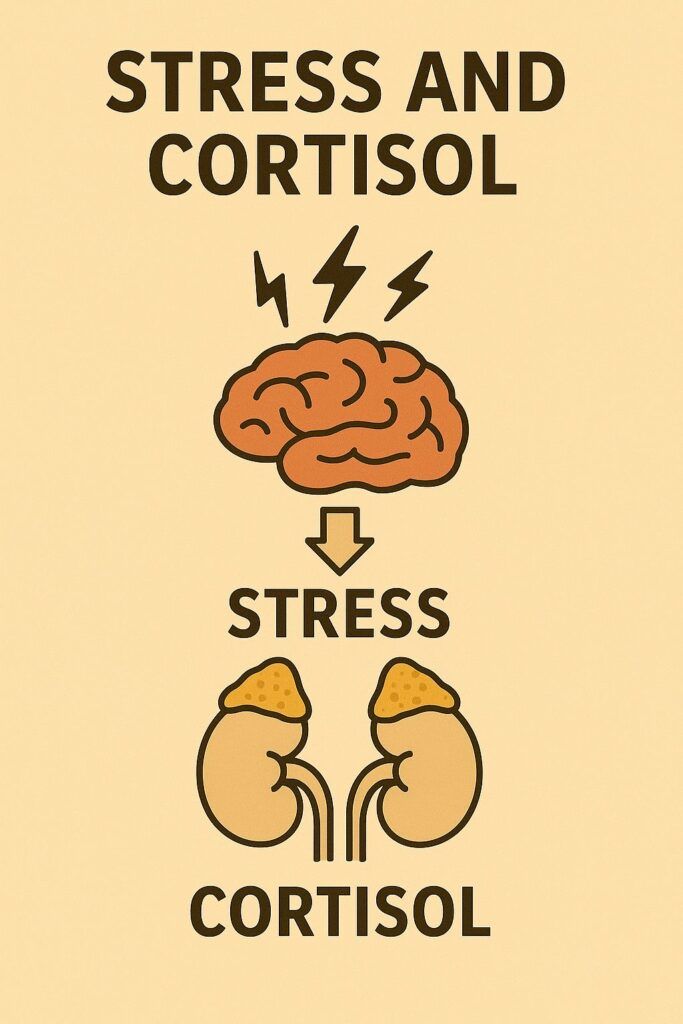
It becomes active when the body releases cortisol during trauma or fear.
High, long-term SGK1 activity can disrupt mood regulation pathways.
😞 How Trauma Affects SGK1
Early trauma increases SGK1 levels in the brain.
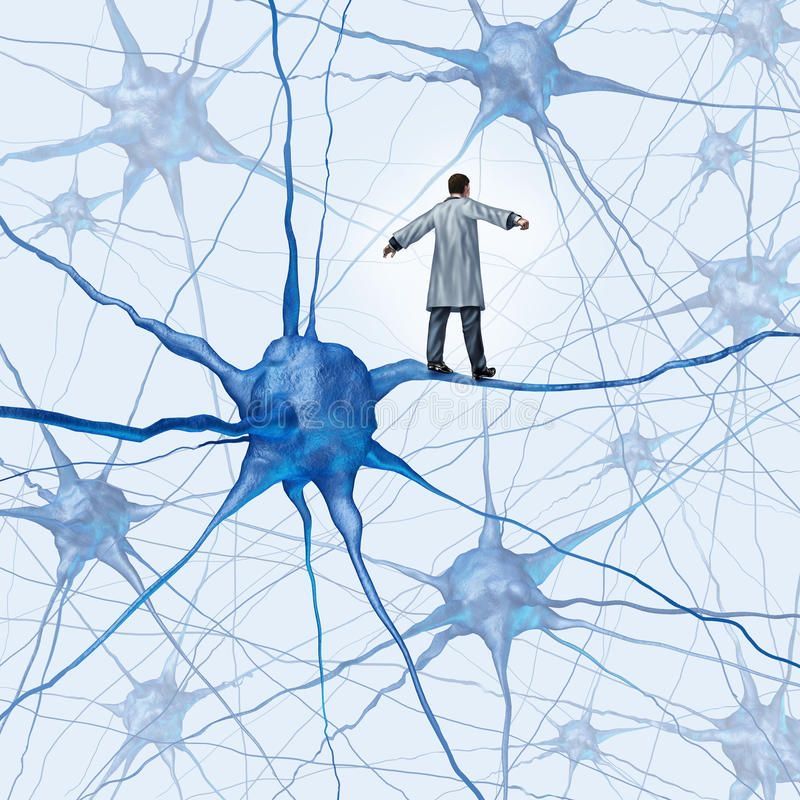
Overactive SGK1 changes how neurons communicate.
This creates vulnerability to depression, emotional numbness, and overthinking.
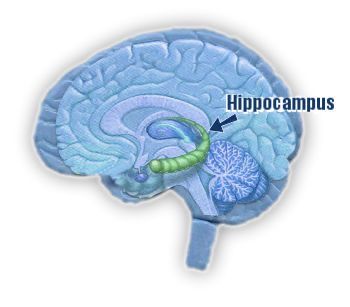
Research shows SGK1 influences the hippocampus—our memory and emotional learning center.
🌱 Why SGK1 Matters for Future Therapists
Understanding SGK1 helps students like me see that trauma-linked depression is not “mental weakness”—it is biological reshaping of the brain.
This opens doors for personalized treatments, trauma-informed therapy, and preventive care.
💡 Empowering the Brain
Therapy and early intervention can reverse biochemical changes.
Sleep, nutrition, and mindfulness regulate cortisol and support SGK1 balance.